
Table of Contents
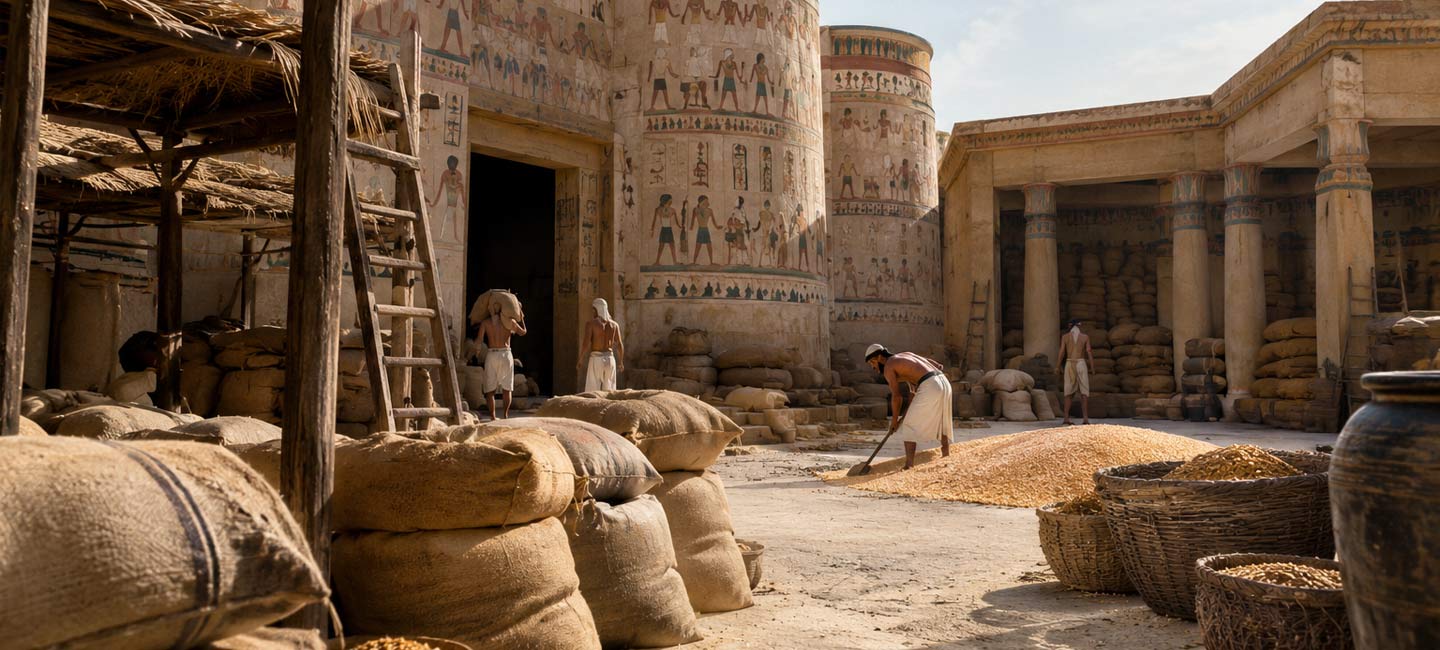
Joseph Ran Egypt’s Economy. Here’s What That Teaches Us About Marketplace Calling
Joseph went from a prison cell to running the entire Egyptian economy in a single day, and the skill that got him there wasn’t preaching. It was economic forecasting and discernment.


From the Pit to the Palace
Joseph’s story reads like a case study in reversal. Sold into slavery by his own brothers, falsely accused and imprisoned in Egypt, he spends years in circumstances that would have justified giving up on any sense of calling at all. Then Pharaoh has a dream nobody can interpret, Joseph gets pulled out of prison, and within one conversation, Pharaoh puts him in charge of the nation.
What actually got him promoted matters. It wasn’t a sermon. Joseph interpreted the dream, seven years of abundance followed by seven years of famine, and then gave Pharaoh an operational plan: appoint someone to oversee the land, collect a fifth of the harvest during the good years, and store it for the famine ahead. Pharaoh’s response is direct: “Can we find anyone like this man, one in whom is the spirit of God? Since God has made all this known to you, there is no one so discerning and wise as you.” Joseph got the job because of an economic strategy that worked, delivered with a wisdom Pharaoh recognized as coming from somewhere beyond Joseph himself.
Running the Economy as an Act of Faithfulness
For the next several years, Joseph administrates one of the largest resource-management operations in the ancient world. He’s running supply chains, managing storage logistics, and executing an economic plan that will save an entire region, including the family who sold him into slavery in the first place.
Genesis treats this as the fulfillment of everything that came before it, not a detour from Joseph’s actual calling. When his brothers finally stand before him, terrified of retribution, Joseph’s response reframes the entire story: “You intended to harm me, but God intended it for good to accomplish what is now being done, the saving of many lives.” The economic strategy wasn’t separate from God’s purpose. It was the mechanism of it.
Why This Matters for Marketplace Believers
Joseph’s calling didn’t look like ministry in any conventional sense. It looked like agricultural forecasting, resource allocation, and running a government bureaucracy for a foreign king who didn’t worship his God. And it saved the nation that would become Israel.
This is worth sitting with for anyone convinced their work in finance, logistics, operations, or business feels too secular to matter to God’s purposes. Joseph’s entire redemptive arc runs through exactly that kind of work. The skill set that got him promoted, reading trends, planning ahead, managing resources at scale, is the same skill set plenty of believers use in ordinary careers today, treated by Scripture as evidence of God’s spirit working through him, not despite the work.
The Takeaway
God didn’t rescue Joseph from the marketplace to use him elsewhere. He put him at the center of Egypt’s entire economy and let that position become the vehicle for saving an entire region, including the family that betrayed him. Marketplace competence wasn’t a lesser calling standing in the way of Joseph’s real purpose. It was exactly how his purpose got carried out.